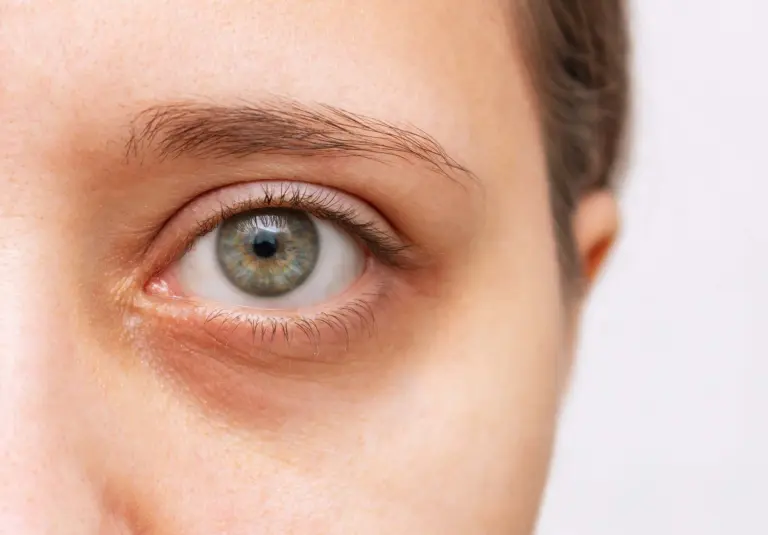
There is nothing more frustrating than under-eye filler that does not look the way you expected. The tear troughs sit close to the lower eyelids, blood vessels and very delicate facial anatomy, so when something is not right, it shows quickly. Puffiness, uneven texture, or a bluish tint can make the area look more tired rather than refreshed. These issues can knock your confidence and make you wonder what went wrong.
The reassuring part is that most cases of botched filler in the tear troughs can be fixed safely. And even better, they can often be avoided with the right filler type, injection technique and treatment plan from the very beginning.
What Tear Trough Filler Is Meant to Do
Tear trough filler is a non-surgical option used to soften hollow under-eyes, reduce shadows and improve signs of tiredness. At HAVA Aesthetics, we use smooth hyaluronic acid fillers designed specifically for the thin tissue around the infraorbital rim. When placed correctly, this type of dermal filler treatment can:
- Reduce under-eye hollows and eye bags
- Improve shadowing and discolouration
- Smooth the transition between the lower eyelids and cheek
- Enhance hydration and natural facial volume
Because the under-eye region has low skin elasticity and sits above important vascular anatomy, the filler has to integrate softly. Even a small error in injecting or choosing the wrong dermal fillers can change the entire look of the result.
How to Tell If Your Tear Trough Filler Has Been Botched
If something feels off after under-eye injections, trust your instinct. The most common signs of botched filler include:
Lumpiness or uneven texture
This happens when the product forms pockets under the skin. Lumps, bumps or a lumpy product usually mean the filler has not blended correctly.
Puffiness or swollen under-eyes
Often linked to overfilling, filler migration or using a filler type that attracts too much water.
A blue tint (Tyndall effect)
A sign the filler was injected too close to the surface of the skin.
Swelling that does not settle
Some bruising and swelling are normal, but persistent puffiness or a bruised appearance may indicate poor injection technique or vascular compromise.
The good news is that tear trough filler is one of the easiest cosmetic procedures to correct safely.
Why Tear Trough Fillers Go Wrong So Easily
The tear trough is one of the most technical areas for dermal filler injections. Small errors show up quickly because the skin is thin and the area sits above key blood vessels and ligaments. Tear trough filler usually goes wrong due to:
- Using a filler type that is too thick
- Injecting too superficially
- Overfilling an area that needs subtle support
- Treating patients who need cheek or midface support first
- Lack of experience with the under-eye region
- Not accounting for skin elasticity, ageing or facial structure
This is why choosing an injector who understands the anatomy, vascular occlusion risks and product behaviour is essential.
Safe Ways to Fix Botched Tear Trough Filler
If your tear trough filler has not settled well, the first step is a full consultation and assessment. At HAVA Aesthetics, correction usually involves one of the following approaches:
- Dissolving the product with hyaluronidase: This enzyme breaks down hyaluronic acid fillers safely and quickly. It is the most effective way to treat puffiness, asymmetry, filler migration, lumpy product or discolouration. Dissolving product can relieve heaviness almost immediately.
- Refining with the correct filler type: Once the incorrect filler is removed, tiny amounts of the right product may be added back to restore smoothness and balance. This is only done when it is safe and necessary.
- Allowing natural breakdown: If the issue is mild and not affecting the shape of the lower eyelids, waiting for the filler to soften can be an option. A proper assessment ensures safety and effectiveness, especially if there are concerns about vascular occlusion, infection or tissue damage.
How to Avoid a Botched Result in the First Place
Avoiding complications comes down to technique, product choice and patient suitability. At HAVA Aesthetics, every tear trough treatment begins with:
- A detailed look at facial anatomy
- An assessment of cheek support and midface volume
- Understanding ageing patterns and skin elasticity
- Creating a personalised treatment plan
- Choosing the correct Juvéderm or equivalent filler suited for delicate under-eye tissue
Under-eye injections require a gentle, precise approach. Too much filler or the wrong type can make eye bags look worse. Less product and the right placement create the most rejuvenating results.
Following post-treatment guidelines, avoiding massaging the area at home, and attending review appointments also reduce risks and improve healing.
When done well, tear trough filler softens shadows, lifts tired-looking eyes and restores natural light reflection. No puffiness. No harsh lines. Just subtle, rejuvenating results that blend with the rest of your facial features. If you are dealing with a botched filler result, it can be fixed safely with the right corrective care. And if you are considering treatment for the first time, the right injector, the right filler type and an anatomy-led approach will set you up for the smooth outcome you want.
Back to blog